
Kidnap and ransom insurance
Kidnap and Ransom Insurance: What It Covers, What It Costs
Kidnap and ransom insurance is a specialty policy that covers the ransom itself and the response around it, and it is bought by people whose travel, wealth, or business exposes them in places where abduction is a commercial enterprise. Most people who need it do not look into it until they are already planning the trip.
Putting cover in place, or working out whether you need to?
Start the K&R intake or read what a policy actually coversKidnapping for ransom is a researched crime. Victims are not chosen at random. They are chosen because they are worth money to someone, and because their daily lives are open enough for a stranger to study.
The victims are rarely famous people. More often it is a project manager who flies into the same country every month, or an executive whose title is on the company website. Sometimes it is a family that takes the same vacation every year, or owns a home abroad that everyone in town knows belongs to wealthy Americans.
That kind of visibility is hard to avoid. What you can do is be ready. If the worst happens to you, to your family, or to someone who works for you, the money and the specialists needed to resolve it should already be in place. That is what kidnap and ransom insurance does.
What it is
What it does
What it costs
Silent Professionals · Updated August 2026
Definition
What Exactly Is Kidnap and Ransom Insurance?
Kidnap and ransom insurance, written K&R, is a specialty policy that reimburses a ransom payment and pays for the response around it, including professional negotiators, crisis consultants, and evacuation, when a covered person is abducted, wrongfully detained, or extorted.
Regardless of who you are, traveling to certain countries makes you a prime target for kidnapping. It is an extremely lucrative business for the perpetrators of these crimes.
The whole reason why kidnapping insurance exists is to save your family and those closest to you from having to give up a substantial portion of their life savings in ransom to protect you in the event a kidnap-for-ransom situation were to happen.
What is ransom? Ransom is the specific sum of money demanded by abductors in exchange for the release of the captive. It is the amount paid to secure a kidnapped individual’s freedom.
While it may be difficult to find the exact number of kidnappings that occur all over the world, what we can say for sure is that they happen more frequently than you think. Certain countries pose a higher level of risk to foreigners than others.
The ones that are known to harbor Islamist militia, guerrilla groups and criminal cartels record the highest kidnapping rates in the world. Some of the most notorious ones include Mexico, Colombia, Syria, Yemen, Libya, Somalia, Iraq, and Mali.
Any individual venturing into or doing business in a country that is a well-known hotbed for crimes – kidnapping and otherwise – should consider securing kidnapping and ransom insurance.
The buyers
Who Needs K&R Insurance?
K&R insurance is bought mainly by four groups: companies that send staff into high-risk countries, ultra-high-net-worth families, non-governmental organizations working in unstable regions, and individuals whose wealth or public profile is easy to research from open sources.
If you do business in Mexico, the Middle East, Africa, Ukraine, or any of the 35 countries that have a city that would be considered a kidnapping capital of the world, getting hostage insurance is a must-have.
People who are prime targets for kidnapping include:
- Wealthy business people
- Politicians
- Ultra-high net worth individuals (UHNWI) and their families
- Professionals traveling abroad
- Aid workers
- Journalists
- Tourists
… and anyone else whose risk exposure makes them a kidnap-for-ransom target.
For the most part, K&R insurance coverage is a part of corporate insurance policies. The firms that include K&R coverage generally have employees who frequently travel to parts of the world where kidnapping and extortion run rampant.
You’ll likely come across K&R insurance packages that include coverage for UHNWI, their spouses, children, close relatives, and members of their immediate household like the nannies and housekeepers. Other policies cover the individual themselves.
Given the high cost of K&R policies, it is typically individuals with a high public profile – like celebrities and politicians – who normally purchase them.
Universities that offer international programs for foreign students, non-governmental organizations (NGOs), and other international institutions based in kidnapping prone areas, often purchase K&R insurance. They do this for their students, volunteers, or workers since the failure to do this opens them up to lawsuits if anything were to happen to those individuals.
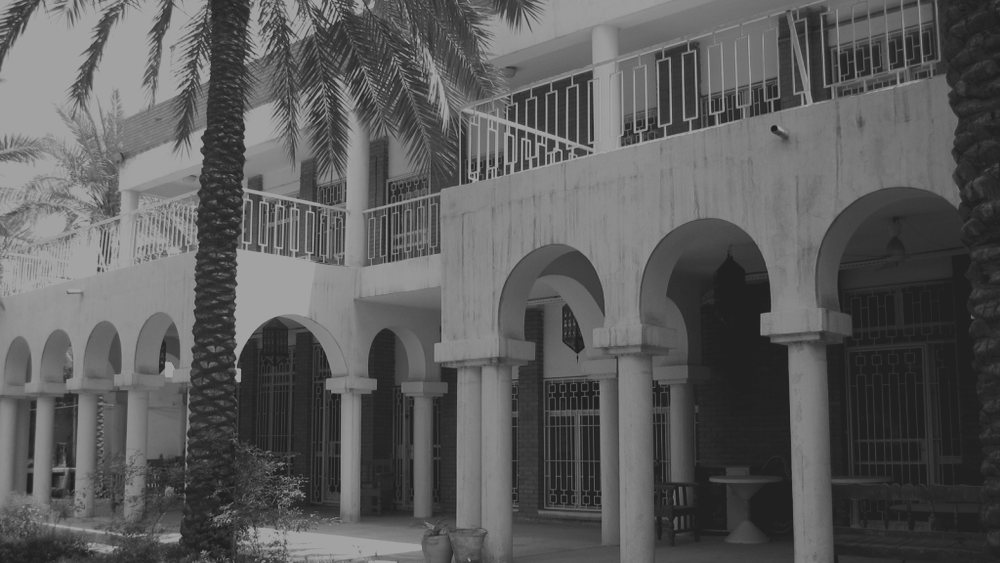
A K&R policy often covers a residence and the people who run it, not only the executive who lives in it.
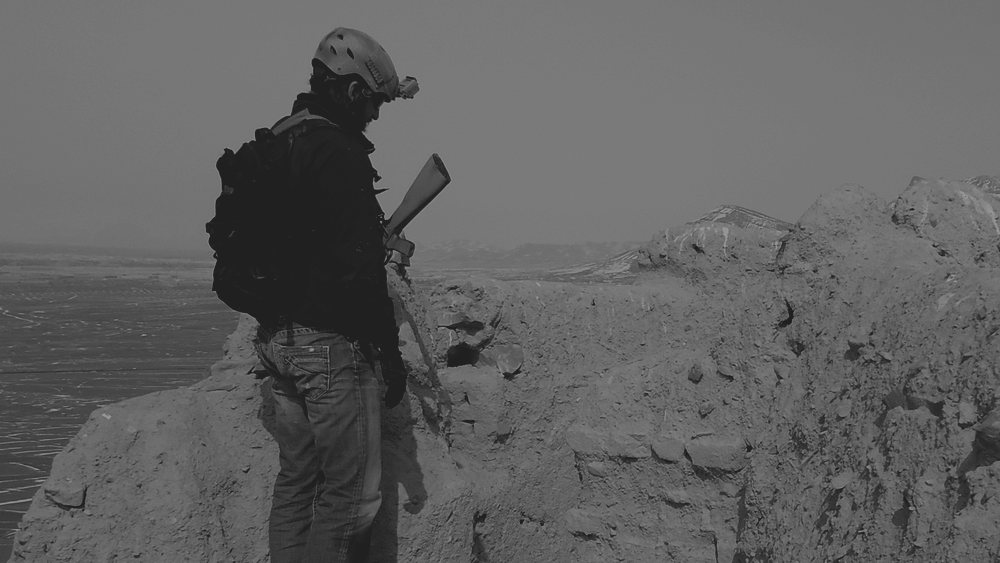
What the policy pays for is mostly people. The response network standing behind it is the part of the product a summary page never shows you.
Cover
What Does Kidnap and Ransom Insurance Cover?
K&R insurance protects individuals, corporations, and other institutions against potential financial losses that may result from kidnapping, financial extortion, and ransom demands.
These policies are specifically designed for people who travel abroad frequently, and not necessarily for brief trips.
Most policies cover ransom payments, medical care, interest on bank loans, and the potential loss of income. Other policies also cover the costs associated with support services, public relations expenses, crisis management, and business interruption costs.
Policies purchased by employers for their employees are also designed to cover lawsuits against the company if the kidnapped individual decides to sue their employer for damages.
Depending on the type of policy you get, you might come across some that cover losses resulting from injuries suffered, time off from work after the individual is released from the hands of their captors, related travel expenses, costs related to cosmetic surgery procedures, as well as any reward monies paid to informants.
Some policies even cover damages resulting from wrongful detention, terrorism, and extortion. In worst-case scenarios, funeral expenses are also included in K&R insurance policies.
The three things
What to Look for in a K&R Policy
What to look for in a K&R policy comes down to three things: the payment amount, the evacuation cover, and the negotiation service.
- A substantial payment amount that’s high enough to meet the kidnapping and extortion demands of the perpetrators, to ensure the victim’s safety.
- An emergency evacuation cover, particularly in dangerous and remote areas. Insurance providers retain the services of hostage rescue companies to ensure the safe extraction of the victim from the hostage site.
- A kidnap negotiation service with trained professionals to communicate directly with the abductors on matters relating to the payment and delivery of the extorted monies, and the safety of the victim.
The third is particularly important since these experts are trained to know how to negotiate with the kidnappers to ensure that the release of the victim goes off without a hitch.
There is more to separating one provider from another than these three, and we have written the longer version of it: what to ask a kidnap and ransom insurance company before you bind.

Exclusions
What K&R Insurance Policies Don’t Cover
Standard K&R policies carry limits on the amount payable, on the territory and the days covered, and on countries under US sanctions, and disclosing that a policy exists can void it.
Where a standard policy stops
| Limitation | What it means |
|---|---|
| Coverage limit | All K&R policies come with a cap on how much the insurance company will pay in ransom and other related benefits. |
| Geographical exclusion | K&R policies kick in on the specific days that you are out of the country, so you need to have traveled outside your country of permanent residency to trigger coverage. |
| Time-related exclusion | Some policies cover you for the entire duration of your trip, and others expire after a specific number of days during travel. |
| Political limitation | K&R coverage often does not apply if you travel to a country that the US has imposed sanctions on. |
| Disclosure of the policy | Telling people that you hold a policy can void it, which is why most employees are unaware that their employer has taken one out on them. |
At the risk of stating the obvious, you should never tell anyone that you have this type of insurance coverage. Publicizing it instantly transforms you into a walking kidnapping target. Besides, more often than not, divulging this information voids your policy.
At the end of the day, keep in mind that kidnap and ransom insurance companies (actually – all insurance companies) are running a business. Their goal is to run a profitable enterprise. So, they’ll find any excuse not to settle your claim if you violate any of the conditions set out in the policy.
Telling anyone who will listen that you have a kidnap and ransom insurance policy makes it hard for insurers to tell whether a hostage claim is genuine. So, to protect themselves against fraudulent ransom claims, insurance companies will likely cancel your policy if they get wind that you’ve been talking about it to people.
It is for this precise reason that most employees are oblivious to the fact that their employers have taken out K&R policies on them.
Stay Away from the Hot Zones
You should also steer clear of countries marked red on the US Department of State’s travel advisory map. The State Department urges Americans to avoid traveling to those specific countries. Ensure that you comb through your policy’s fine print to establish whether or not coverage extends to countries with Level 3 and 4 travel advisory ratings.
Insurance companies that cover such zones may connect you with security experts to educate you on how to stay safe when traveling to high-risk countries, and the places you need to avoid at all costs.
They may also require that you wear kidnapping prevention devices like GPS trackers that fit discreetly into your clothing or shoes. Some are designed to wear as wristbands and come with built-in sensors that transmit signals in real-time, even in the most remote locations. That way, hostage rescue companies can track your location accurately and efficiently if you’re ever abducted.
Of course, proactive kidnap prevention measures are far preferred over reactive hostage rescue measures so, if you can afford them, you may want to consider hiring a specialized kidnap prevention service or team.
Price
How Much Does Kidnap and Ransom Insurance Cost?
Kidnap and ransom insurance is individually underwritten, so the premium is set case by case against the destination, the number and profile of the people covered, the limit, and the duration of the cover.
As of 2026, a $5,000,000 K&R policy runs roughly $2,000 for a year’s worth of non-hazardous travel, and some companies write solid coverage for less than $1,000. Those are ballpark figures and not a quote. What you pay comes from the underwriter, priced against your own exposure.
Like with all things, the cost of an insurance policy ultimately depends on the type of coverage, the coverage limit, the number of people under the policy, the country you’re traveling to, and whether or not it has additional monetary benefits. The more features a policy has, the more money you’ll have to pay in premiums. If you’re traveling to a kidnapping hotbed, the cost of premiums goes up significantly.
Keep in mind though that the whole idea behind getting this kind of policy is to afford the ransom amount demanded by the abductors. So, in the grand scheme of things, the amount you’re required to pay in premiums when traveling to a known kidnapping capital of the world is nothing compared to the hundreds of thousands or even millions of dollars that the kidnappers may demand, in addition to the high cost of hostage rescue services if you’re ever abducted.

Get cover in place
Get your own exposure priced
Your own exposure is priced from the questionnaire below: it asks where your people are going, who needs to be covered, and for how long. We send it to the provider that writes that kind of risk, and the price comes back from them.
We have vetted specialized insurance firms that only handle K&R policies, and some of them can get a policy in place within days of travel.
We are not an insurance agency and we do not sell policies. If you place one through this introduction, the provider pays us a referral fee. We do not add anything to your premium.
Where travel cover falls short
Travel Insurance and K&R
A travel policy’s ransom element is not a substitute for a standalone K&R policy, and the sublimits are usually far below what a demand would be.
You may have come across travel insurance covers that offer K&R coverage. As great as that may sound, the coverage limits for the ransom part of such policies typically range between $5,000 and $10,000. This might not be enough to cover a ransom demand if you were abducted.
Security experts recommend getting policies that have minimum ransom coverage of at least $50,000. Some UHNWI may benefit from policies that offer up to $1,000,000 coverage. Businesses, corporations, and institutions would need coverage that amounts to anywhere between $5,000,000 and $10,000,000, depending on the net worth of the abductee or the value of the entity. (Figures current as of 2026. Ask any provider for its own sublimits in writing before you rely on them.)
Most travel policy providers don’t double up as K&R insurance companies. So, you won’t get premium level coverage from a conventional travel insurance policy. Moreover, even those with a basic ransom cover may not offer value-added benefits like sending in extraction teams from the best hostage rescue companies to secure your release. And keep in mind that even among K&R insurance providers, there are limitations and exclusions depending on where you need to travel.

Ground movement in country is where most kidnap-for-ransom incidents begin, and it is one of the things a K&R underwriter asks about first.

Preparation
What Should You Do Before Traveling to a High-Risk Country?
Before traveling to a high-risk country, read the policy you already have, confirm the territory and the dates it actually covers, agree who inside your organization is allowed to know it exists, and get the cover in place before the itinerary is fixed rather than after.
Read the policy you already have
Corporate travel programs and some personal lines carry a ransom element, and people often discover what it actually is only when they need it. Ask for the ransom sublimit in writing, and hold it against what a demand in the place you are going would realistically be.
Confirm the territory and the dates
Cover in this line is written against declared countries and declared days. Ask what happens if the trip runs long, if the itinerary changes once you are there, or if somebody crosses a border that was not on the schedule. Countries under US sanctions are usually excluded outright, and that answer is worth having in writing rather than in conversation.
Agree who is allowed to know
Cover generally depends on the insured not discussing it, which is why the people covered frequently do not know they are covered. Somebody still has to know, so decide who that is before you travel rather than during an incident.
Put it in place before the itinerary is fixed
Specialist firms can bind quickly when the information is in hand, but the limiting factor is usually how long it takes to describe the exposure properly. Starting while the trip is still being planned costs nothing and removes the scramble.
If you’re ever in a kidnapping and ransom situation, the good news is, the chances of survival are pretty high. You’re of value to your abductors only if they keep you alive. While the experience can be traumatizing, to say the least, with the right resources, you’ll be able to get out of that terrifying situation faster.
While no one travels to a country expecting to be kidnapped, it doesn’t hurt to be prepared if the worst happens – at the very least, for your peace of mind. If you’re ever in such a situation, stay calm and focus on staying alive.
If you’ve taken out a K&R insurance policy, at least you’ll know that the top hostage rescue companies will work around the clock to secure your release and your insurance company will cover many of the high costs associated with your rescue.

Common questions
Kidnap and ransom insurance, answered
What kidnap and ransom insurance pays for, who buys it, and what the response behind the policy actually is.
What exactly is kidnap and ransom insurance?
Who needs K&R insurance?
What does kidnap and ransom insurance cover?
What do K&R insurance policies not cover?
How much does kidnap and ransom insurance cost?
How is a K&R policy underwritten?
Keep reading
Related reading

Kidnap and ransom insurance companies: how to choose one
What separates one provider from another, and the seven questions to put to any of them before you bind.
Read →
Cryptocurrency ransom insurance
Kidnap and ransom cover for people whose wealth is held in digital assets, and what that changes.
Read →
Hostage rescue in a foreign country
Who carries out a private hostage rescue abroad, what the negotiation involves, and what it costs.
Read →Putting a K&R policy in place?
Tell us where your people are going, who needs to be covered, and how soon you need it. We send the requirement to the provider that fits it.
We are not an insurance agency and we do not sell policies. If you place one through this introduction, the provider pays us a referral fee. We do not add anything to your premium.